Source Vertical 12 Layers Paddy Separator for Rice Wheat Milling
Find 30 verified listings for the vertical 12 layers paddy separator designed for rice and wheat processing. Buyers can compare specifications including capacity, power, and weight to select the right equipment for their milling needs.
Key considerations
Products List


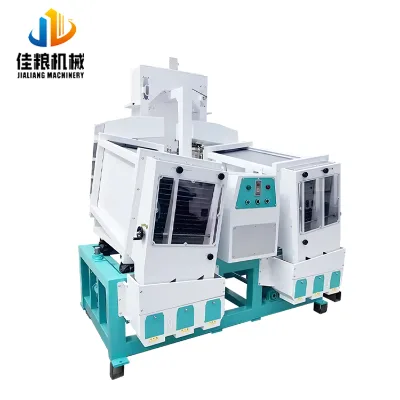

Comprehensive Sourcing Guide
Strategic Sourcing Guide for Vertical 12-Layer Paddy Separators
Procuring industrial agricultural machinery requires a disciplined approach that balances technical specifications with supply chain reliability. For buyers specifically targeting a vertical 12-layer paddy separator, the market offers distinct configurations that vary significantly in capacity, power consumption, and physical dimensions. This guide synthesizes observed market data to provide a framework for evaluating suppliers and products, ensuring that procurement decisions are grounded in verifiable facts rather than marketing assertions. The focus remains on the mechanical and operational realities of sourcing this specific equipment class, with particular attention to the structural integrity and performance metrics associated with multi-layer separation units.
Technical Architecture and Layer Configuration
The core of a vertical paddy separator lies in its internal layering system, which dictates the efficiency of grain separation. In the observed market, units are available with varying layer counts, including configurations with 12, 15, and 20 layers. A 12-layer model represents a specific tier of capacity and processing throughput. When evaluating a vertical 12-layer unit, buyers must verify the physical dimensions and the spindle speed, as these parameters directly influence the separation quality.
Observed data indicates that specific 12-layer models, such as those designated by model codes like MGCZ60152, possess a weight of approximately 800kg and operate with a power rating of 1.1kw. These units typically feature a standard dimension of 235016902150mm. The vertical orientation is a critical design choice, often cited as an advantage for space-constrained facilities. The installation angles are also paramount; successful operation often requires an installation horizontal angle between 6 and 6.5 degrees and a vertical angle between 14 and 18 degrees. Deviating from these specific angular requirements can compromise the gravity-based separation mechanism, which is the primary functional advantage of these machines.
Furthermore, the spindle speed is a non-negotiable metric for performance. Verified data suggests that effective units must maintain a spindle speed of more than 258 Rpm. This rotational velocity ensures that the paddy grains are properly agitated and separated from the husk. Buyers should treat these numerical values as baseline observations for the specific model class rather than universal guarantees for all vertical separators. When requesting quotes, procurement teams must explicitly confirm that the 12-layer configuration matches these dimensional and rotational specifications to avoid receiving a unit with a different internal architecture.
Capacity, Power, and Operational Throughput
Capacity and power consumption are the primary drivers of operational cost and efficiency. The market presents a wide range of capacities, from 3.4 to 8 tons per hour (T/H), depending on the model and layer configuration. For a 12-layer unit, the observed capacity range is typically around 3.5 to 4 T/H. This throughput is achieved with a relatively low power consumption of 1.1kw, making it an energy-efficient option for smaller to medium-scale milling operations.
In contrast, other models in the vertical category may offer higher capacities. For instance, 15-layer units are observed to handle 3.4 to 4 T/H with a 1.5kw power rating, while 20-layer configurations can reach 6 to 8 T/H with power ratings of 4kw. It is crucial for buyers to align their production needs with the correct layer count. Selecting a unit with excessive capacity can lead to unnecessary energy costs and maintenance overhead, while an undersized unit will create bottlenecks. The power rating must also match the local electrical infrastructure; observed units operate on 220V, which is a standard voltage for many industrial applications but requires verification against local grid standards.
The following table summarizes the observed technical specifications for different layer configurations to assist in comparative analysis:
| Model Specification | Layers | Capacity (T/H) | Power (kw) | Weight (kg) | Dimensions (mm) |
|---|---|---|---|---|---|
| MGCZ60152 | 12 | 3.5 ~ 4 | 1.1 | 800 | 235016902150 |
| TZ Series | 15 | 3.4 ~ 4 | 1.5 | 350 | 1.651.251.8m |
| MGCZ40152 | 20 | 6 ~ 8 | 4.0 | 1450 | 200016802150 |
| MGCZ60202 | 20 | 5 ~ 6 | 3.0 | 1400 | 235017902150 |
Note: The table reflects observed data points from the current market listing and does not imply that all listed models are available for immediate purchase or that these specifications apply universally to every supplier offering vertical separators.
Compliance, Certification, and Safety Standards
In the global machinery market, compliance with international standards is a prerequisite for safe and reliable operation. Buyers should prioritize suppliers who can provide documented evidence of quality management systems. Observed listings frequently cite ISO9002 and SGS certifications. These certifications indicate that the manufacturing process adheres to specific quality control protocols, though the exact scope of these certifications should be verified with the supplier.
The working life of the equipment is another critical compliance metric. Data suggests that well-maintained units can have a working life ranging from 15 to 30 years. This longevity is contingent upon the quality of materials used and the adherence to maintenance schedules. The press materials for these units are often listed as rice-related components, indicating the specific application for paddy husk separation. However, buyers must ensure that the materials are suitable for the specific grain types they intend to process, such as wheat or paddy, as the application varies by model.
Safety standards regarding the installation and operation of the machine are also vital. The specific installation angles mentioned earlier (6-6.5 degrees horizontal, 14-18 degrees vertical) are not merely suggestions but operational requirements for the gravity separation mechanism to function correctly. Failure to adhere to these angles during installation can lead to equipment failure or unsafe operating conditions. Additionally, the condition of the product is listed as "New," which implies that buyers should expect factory-fresh equipment rather than refurbished units, unless explicitly stated otherwise.
Cost Drivers and Procurement Economics
The pricing for vertical paddy separators is influenced by several factors, including layer count, power rating, and packaging requirements. The observed price range in the market spans from 160 to 29,000 USD. This wide variance reflects the difference between smaller, lower-power units and larger, high-capacity industrial machines. For a 12-layer unit with 1.1kw power, the cost is likely positioned toward the lower end of this spectrum, whereas 20-layer units with 4kw power will command higher prices.
Packaging is a significant cost driver in international procurement. Observed data indicates that products are shipped in wooden cases or standard export packages. Wooden cases provide superior protection during transit, especially for heavy machinery weighing up to 1450kg, but they add to the overall shipping cost and environmental footprint. Buyers should evaluate whether the added protection is necessary for their specific logistics route or if a standard export package suffices.
Lead times are another economic consideration. The observed delivery time ranges from 5 to 15 days. This relatively short window suggests that many suppliers maintain inventory or have streamlined production lines. However, buyers must confirm the exact lead time for their specific order, as customization options can extend this period. The minimum order quantity (MOQ) is observed to be flexible, ranging from 1 to 5 units, which allows for small-scale procurement without significant capital commitment. Discounts are noted as negotiable, providing an opportunity for buyers to secure better pricing, particularly for bulk orders or long-term partnerships.
Supplier Evaluation and Verification
When evaluating potential suppliers, buyers must look beyond the basic product listing. The origin of the machinery is predominantly China, with specific regions like Shandong noted as production hubs. While this geographic concentration can offer competitive pricing, it also necessitates rigorous due diligence. Buyers should verify the supplier's ability to provide after-sales support, spare parts availability, and technical assistance for installation.
The "Customization" attribute is a key differentiator. Many suppliers offer customized solutions, allowing buyers to tailor the machine to their specific facility layout or processing requirements. However, customization introduces complexity to the supply chain. Buyers must ensure that the supplier has a proven track record of delivering customized units without compromising the core technical specifications, such as the spindle speed or layer configuration.
Verification of the supplier's claims is essential. For instance, while "New" condition is listed, buyers should request photos or videos of the actual production line to confirm the state of the equipment. Similarly, claims regarding the working life of 15 to 30 years should be backed by case studies or references from existing clients. The "Second" press series mentioned in some listings may indicate a specific generation of technology, and buyers should clarify what this designation entails in terms of performance and durability.
Quality Control and Long-Term Maintenance
Quality control extends beyond the initial purchase to the entire lifecycle of the machine. The observed working life of 15 to 30 years implies that the machine is built for durability, but this requires consistent maintenance. Buyers should establish a maintenance protocol that includes regular checks of the spindle speed, installation angles, and layer integrity. The 12-layer configuration, with its specific weight of 800kg, requires a stable foundation to prevent vibration and misalignment during operation.
Energy efficiency is a long-term cost driver. The 1.1kw power rating for the 12-layer unit suggests a focus on energy conservation, which is beneficial for reducing operational expenses over the machine's lifespan. Buyers should verify the energy efficiency claims by monitoring actual power consumption during the initial trial period. Additionally, the environmental protection aspect, often highlighted in product descriptions, should be validated through the machine's ability to minimize dust and waste during the separation process.
The packaging method also plays a role in long-term quality. Wooden cases offer robust protection, ensuring that the machine arrives in the condition described. However, buyers should inspect the packaging upon delivery to ensure that no damage has occurred during transit. Any signs of damage should be reported immediately to the supplier to initiate a claim or replacement process.
Strategic Procurement Considerations
Finalizing a procurement decision for a vertical 12-layer paddy separator requires a holistic view of technical, economic, and operational factors. The observed data provides a solid foundation for understanding the market landscape, but buyers must remain vigilant in verifying specific details for their unique needs. The flexibility in MOQ and the availability of customization options make this category accessible to a wide range of buyers, from small mills to large industrial operations.
By focusing on the verified specifications such as layer count, power rating, and installation angles, buyers can avoid common pitfalls associated with mismatched equipment. The negotiation of discounts and the selection of appropriate packaging can further optimize the total cost of ownership. Ultimately, the goal is to secure a machine that not only meets the immediate processing requirements but also delivers reliable performance over its extended working life.
In conclusion, the vertical 12-layer paddy separator represents a specialized segment of the agricultural machinery market. With observed capacities of 3.5 to 4 T/H and power ratings of 1.1kw, these units offer a balanced solution for medium-scale operations. By adhering to the technical standards and verification protocols outlined in this guide, buyers can navigate the complexities of international procurement with confidence, ensuring that their investment yields the desired results in grain processing efficiency and quality.
FAQs
What is the capacity of a vertical 12 layers paddy separator?
The capacity is typically 3.5 to 4 tons per hour for this specific configuration. This throughput is achieved with a power rating of 1.1kw and a weight of 800kg.
Which certification standards do these separators usually meet?
Verified units often carry ISO9002 and SGS certifications to ensure quality management. These standards indicate adherence to specific manufacturing protocols for safe operation.
How long is the expected working life of the machine?
The working life ranges from 15 to 30 years depending on maintenance and usage. This longevity relies on the structural integrity of the press materials and proper installation angles.
Can the product be customized for specific facility needs?
Yes, customization is available to tailor the unit to specific facility layouts. Buyers should confirm that customization does not alter critical specs like spindle speed or layer count.
What are the required installation angles for operation?
The machine requires a horizontal angle between 6 and 6.5 degrees and a vertical angle between 14 and 18 degrees. These specific angles are essential for the gravity separation mechanism to function correctly.
What is the typical delivery time for this equipment?
The delivery time generally ranges from 5 to 15 days after order confirmation. This window assumes standard production lines, though customization may extend the lead time.
What is the minimum order quantity for purchasing one unit?
The minimum order quantity can be as low as 1 unit for single purchases. This flexibility allows small-scale procurement without requiring a bulk commitment of five units.